Home School Science
Teaching Made Easy
Find the best home school science projects and Unit Studies that took my homeschool son to Oxford University.
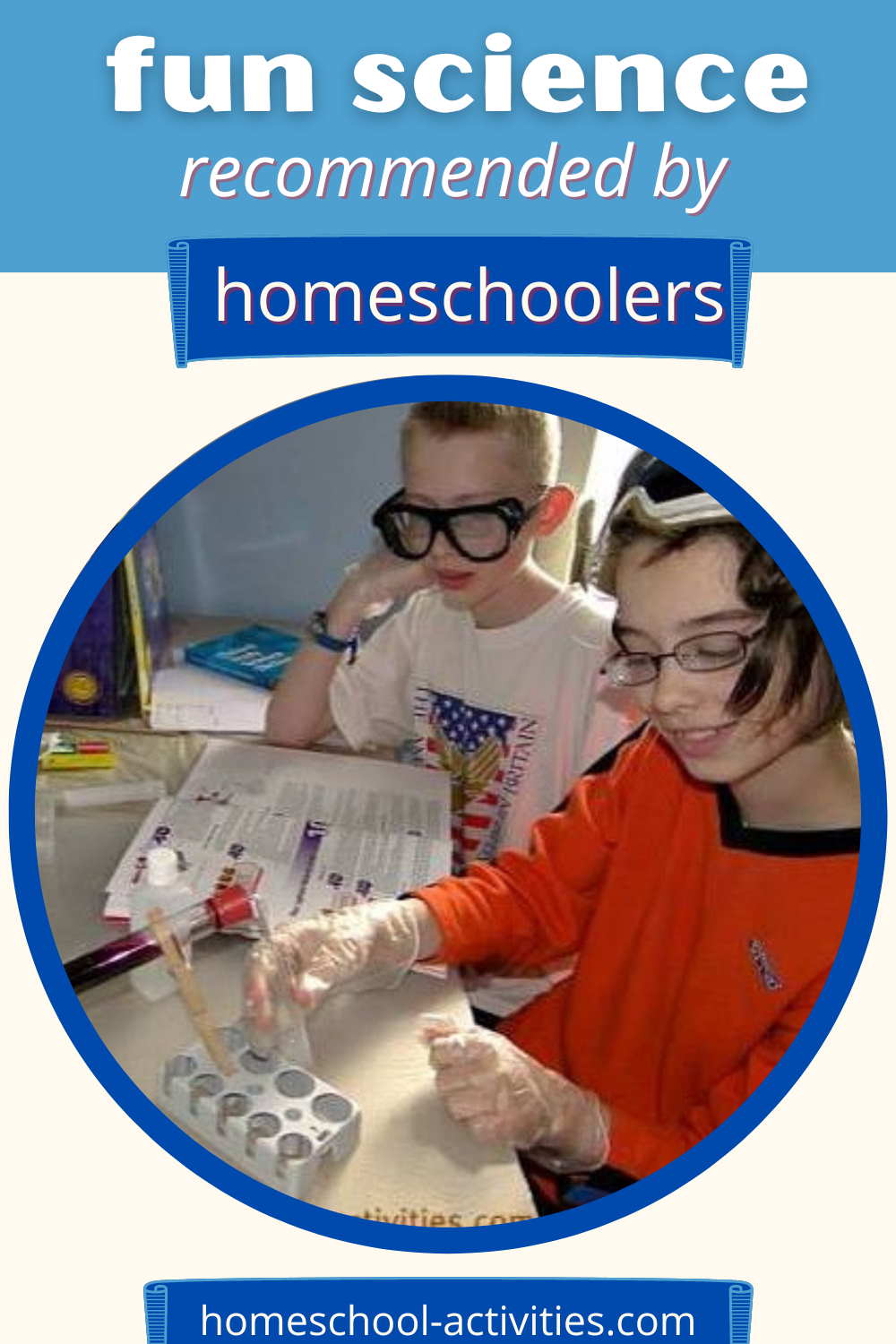
Homeschool is the best place to teach science. You will see brilliant projects here that go all the way from preschool through high school.
The science projects I share are the reason my homeschool on William was accepted by one of the top Universities in the world to study Chemistry and prove that your role as a science teacher is not to answer questions so much as to encourage wonder.
It is curiosity which is the mark of a true scientist.
And that's what makes homeschool the best place to learn.
Teaching Homeschool Science
Unfortunately, science can be one of those areas which really throw you when you come to think about homeschooling.
Common homeschooling worries:
- Do I really know enough to teach science?
- Will I need specialized equipment?
- How am I going to cover the curriculum?
Panic not. We've all been there.
And there's something you need to know, a little secret which I'm happy to share.
All those science curricula educationalists are so keen on churning out – full of long words and important-sounding principles which must be absorbed and tested – they all ignore the simplest and most important truth.
Your primary task – whatever the age of your child – is to use home school science to wake up, encourage and stimulate your child's natural interest and curiosity about the world.
Everything else, all scientific knowledge, follows from that.
Free Homeschool Curriculum
This page will cover all the best kids science projects from preschool up to high school. You can find more projects for high school age in our homeschool science curriculum.
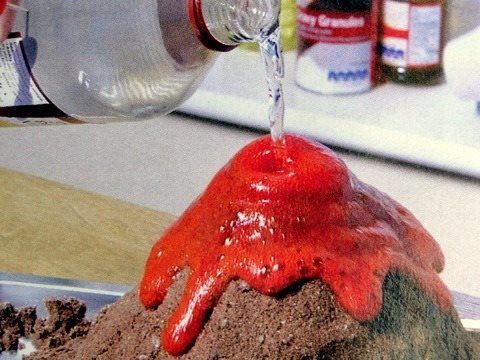
Make a kids volcano experiment
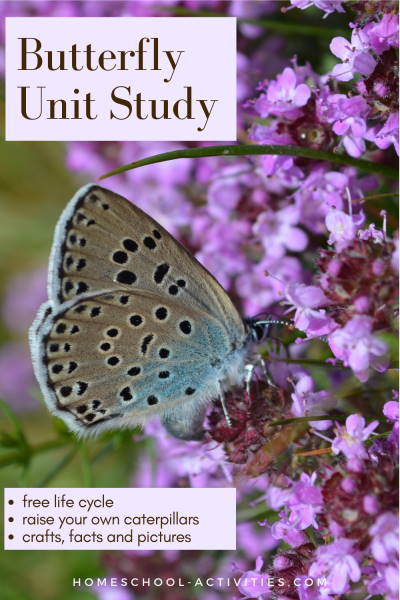
Come and follow the butterfly's amazing life cycle with a free printable butterfly life cycle sheet.
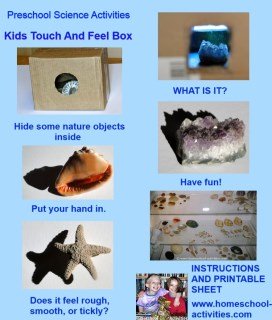
Try our preschool science activities, make a touch and feel box and see how carnivorous plants grow. We've also got some advice for turning these projects into homeschool lesson plans.
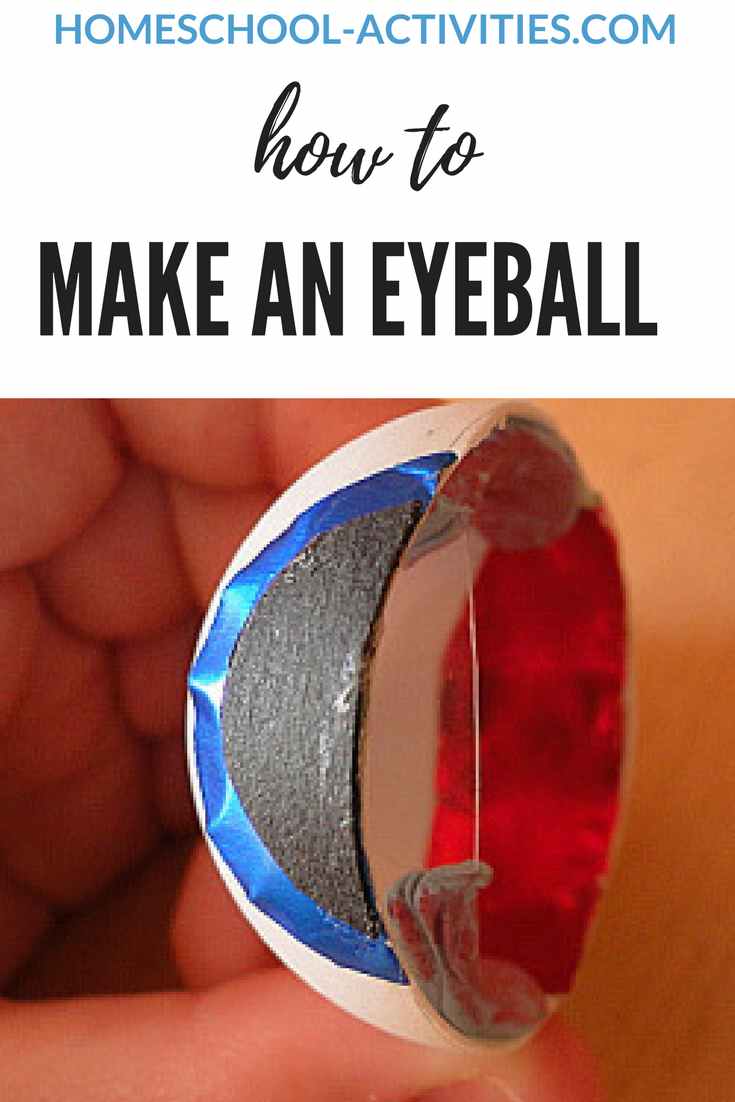
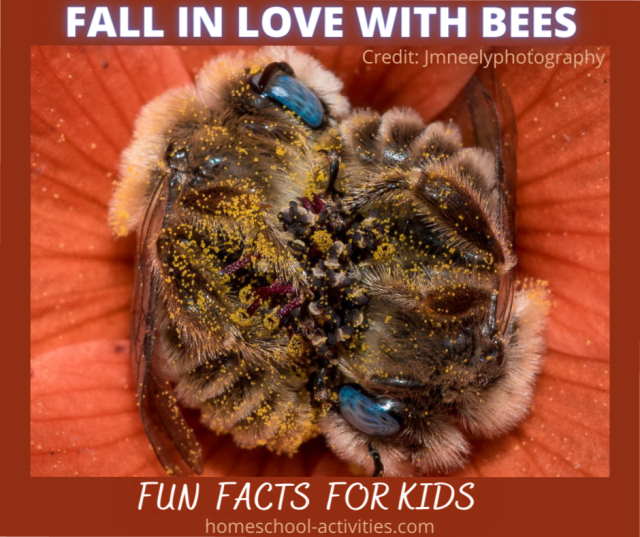
Homeschool Science Unit Studies
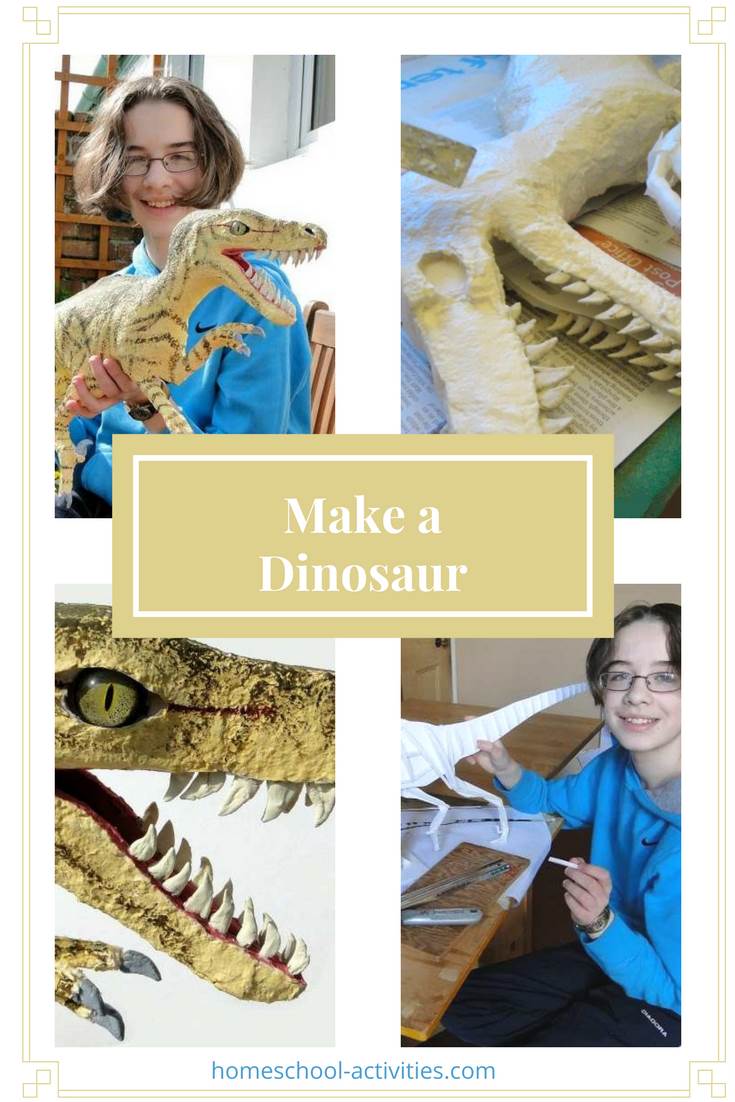
Homeschool Unit Studies are a great way of teaching kids home school science and we've got two popular Unit Studies which do just that.
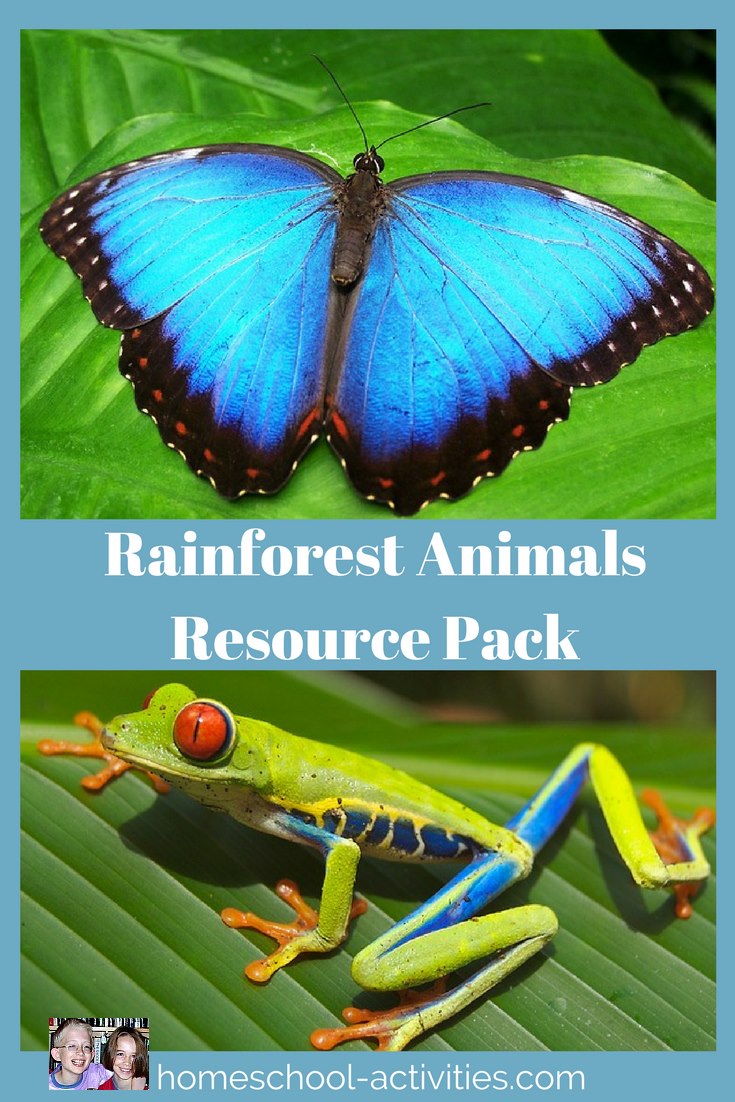
Join us by doing home school science in the rainforest! Our free homeschooling curriculum includes meeting the biggest spider in the world, turning a pineapple into a bromeliad and listening to the rainforest at night.
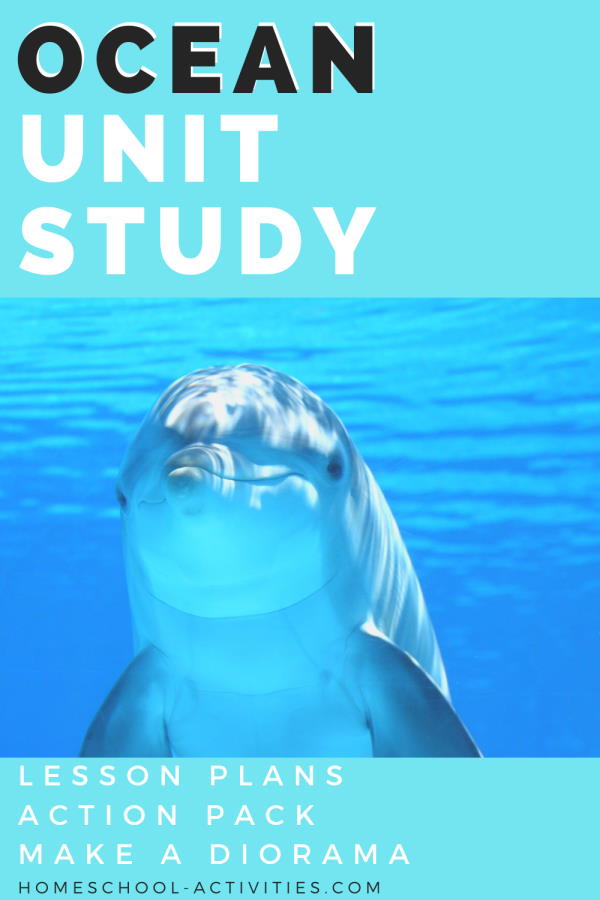
You'll be doing water experiments in our free homeschool Ocean Creatures Unit Study and watch Monterey Bay Aquarium's live kelp web cam.
STEM Kids Science Experiments
If you're looking for some easy science teaching you can do right now, have a look at my favorite simple science experiments. Find out about the parts of a flower by making a flower picture, grow your own clouds out of cotton and use milk to show the beauty of surface tension.

You'll find more science resources and ideas in my page on homeschooling science.
If you try out these kids science projects you'll find you'll naturally cover the essentials of a school science curriculum and you'll get asked questions which take you way beyond it!
Love this page? Help me spread the word by sharing...
- Home
- Science
"Just had a look through your monthly
newsletter focusing on math. Thanks so much for all the links and
ideas. It's brilliant!" ~ Diana
"Hi....I totally love all your posts and enjoy reading them....the kids love the activities and enjoy them through and through." ~ Bianka




Free Newsletter
Must-have Handbook
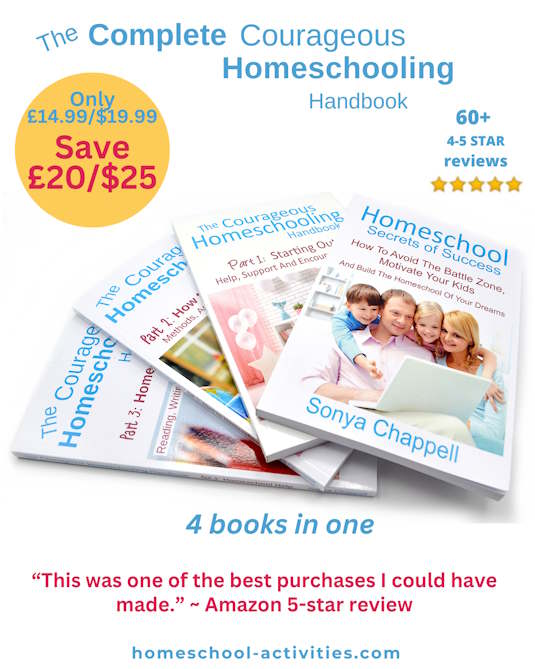
4 books in one: Bargain discount deal!

"With the education system failing so many brilliant
children it's great to be able to have resources like your website for
inspiration, ideas and just a sense of belonging. What you are doing for
your children is priceless." ~ Natalija
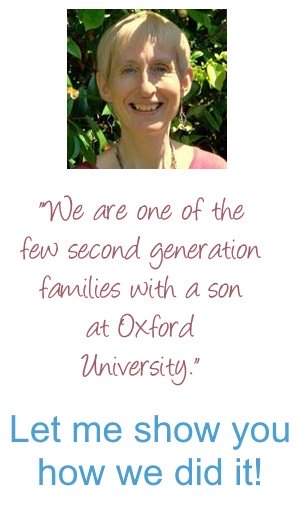
"I really appreciate your time and effort that goes into your posts... It's nice to see that you are a 2nd generation homeschooler." ~ Teresa
"Your newsletters & book have helped us through our journey. For that I can only thank you.
Please, please, please keep it up, people like you make our home school life so much easier." ~ Kelly
"I have joined paid sites that were not even one percent as great as
this site. Really amazing what you are doing and so so helpful thanks so much!" ~ Eli


%23owlpelletdissection%20%23owlpellets%20%23owlpelletactivitiesforkids)


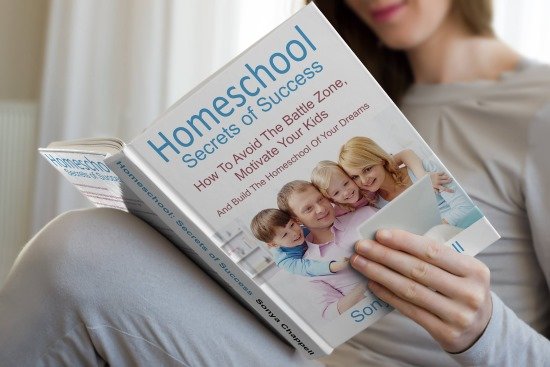
My highly recommended book Homeschool Secrets of Success.

© Copyright 2010-2025 Homeschool-Activities.com. Content by Sonya Chappell. All rights reserved.
N.B. Please note that some of the links on this site are affiliate links so if you buy you will pay exactly the same price as you would have done but I get a small percentage of the sale (which usually adds up to the cost of a cookie). If you would prefer not to support this site in that way, just go to Google and search for the product yourself.
Click to read my Privacy Policy, Terms and Conditions.