Homeschool Science
Rainforest for Kids Activities
Homeschool science comes alive in the rainforest! Our Rainforest for Kids activities include a free Animal Action Pack so you can build your own rainforest scene.
If you are looking for SCIENCE ideas for all ages, including a FREE E-BOOK of experiments, click on the link at the bottom of the page.
We'll go to the Rainforest to meet brightly coloured poison frogs, turn a pineapple into a bromeliad and catch insects in a pitcher plant.
You can even visit a virtual rainforest and find out fascinating facts about it.
You'll finish your homeschool science activities by finding out what you use in your house that comes from the rainforest.
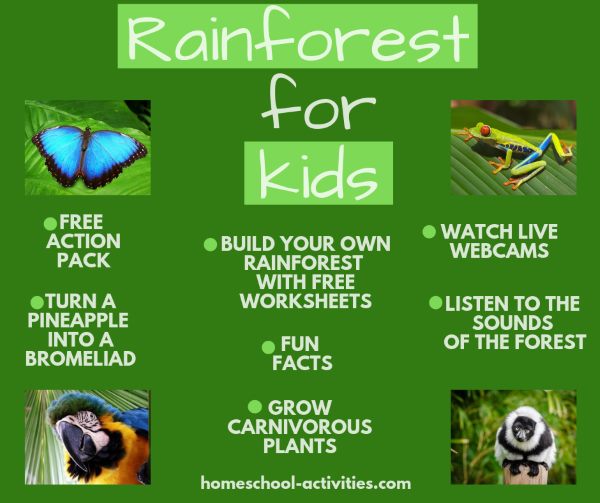
The free Rainforest Resource pack has:
- Rainforest backgrounds
- Beautiful rainforest animal photos
- Drawings to color
- You will also find free worksheets and printables from Action Aid so you can build your own rainforest lower down the page
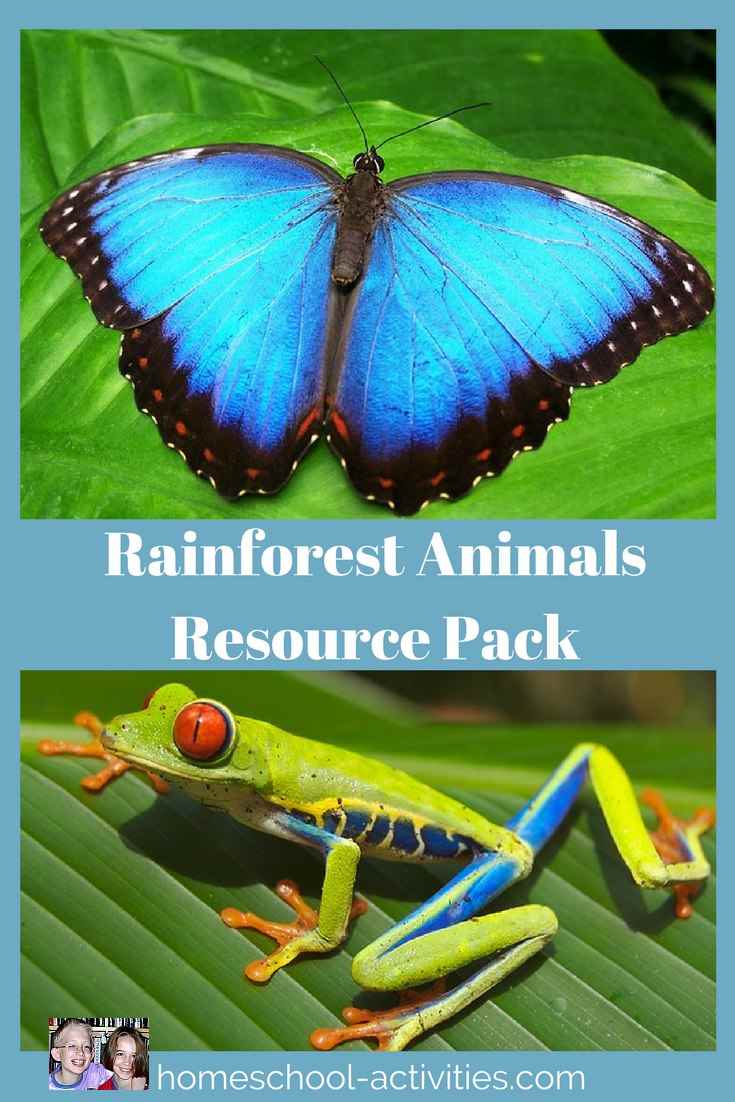
The free Rainforest resources pack is designed for a range of projects. Why not:
- Make a rainforest diorama in a box
- Set up a large stand-up scene on cardboard
- Print the photos and make a fabulous rainforest lapbook
Fun Rainforest Activities
"Oh my gosh there was so much that we loved! My son says his favorite part was learning about all the animals, in particular the monkeys." ~ Angie
Kids Rainforest Scene
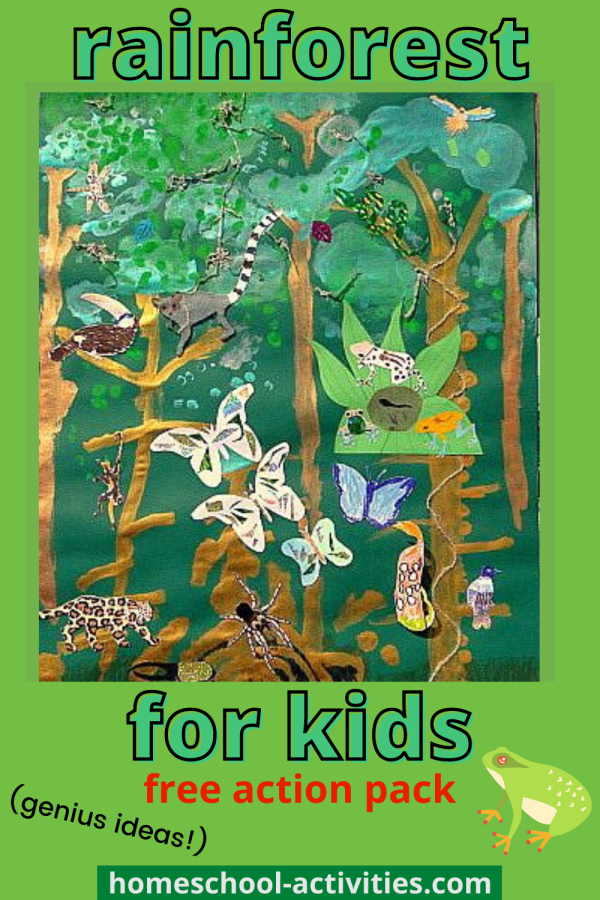
Our homeschool science activity creates a Rainforest scene on a large piece of green card stock.
"I love your rainforest poster lapbook...I think it's beautiful."
~ Debbie
The first thing you need to make homeschool science fun is a large piece of green card stock - the bigger the better.
You need to start by making the habitat your animals will live in - and, by the way, you've just added a lovely word to your homeschool science curriculum.
This is an 'all in it together' homeschool science project with you working alongside your kids. My daughter Catherine was age 4 when we did this, and my son William 6.
If your kids love animals they will love this project.
With more than half the known animals and plants in the world - Rainforest for Kids activities is perfect for a Homeschool Unit Study.
-
You could begin by painting the trunks of the emergents towering above the canopy.
- Metallic bronze paint is great for those enormous tree trunks. Add a few branches coming off to support your leaves.
- Wool makes fabulous liana vines.
- The canopy layer is nice and thick.
You can block out the sunlight by using finger-prints.
Just get your kids to stick their fingers in lots of different colored green paint and add a few swathes of green with a big brush.
This was part of the forest activities William and Catherine really enjoyed! What a way to work the word 'canopy' into your homeschool science.
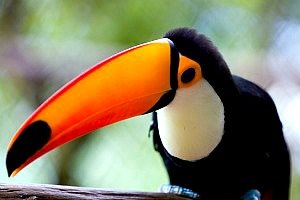
- A few more golden branches sticking out will support all the bromeliads, toucans and spider monkeys you're going to add to the understory.
- Dark felt tips do well for the forest floor.
- Remember to add big buttress roots coming off your trees. Ours look more like lumpy fingers but you get the idea!

Download your free Rainforest Animal Action Pack
Now is where your Rainforest for Kids activities come alive as you add all the animals.
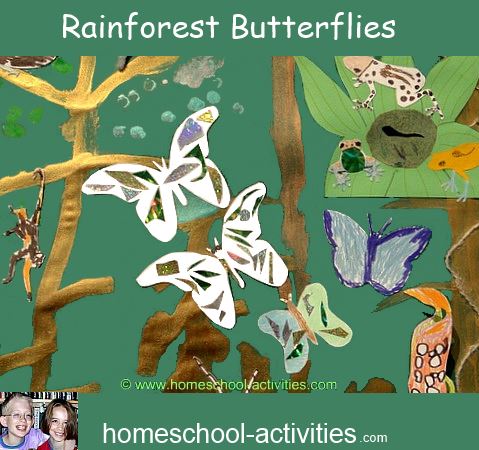
- How about starting with some butterflies? The choice is overwhelming. How about a birdwing butterfly or an African sunset moth?
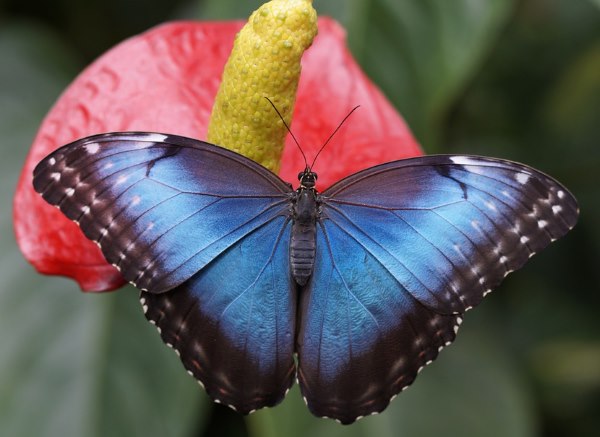
- William's chosen a blue morpho. Sometimes it's exciting to plump for the world's largest. Records are something rainforests have in spades, and it's another way to make homeschool science memorable for kids. For beauty and the world record, add an Atlas moth.
- To make it easier, you could cut out butterfly shapes and let your kids stick bits of holographic paper on top to make the patterns.
- You could download pictures from the internet and stick them on. We didn't, but it would work just as well.
"Awesome! We are building rainforest habitats tomorrow!"
~ Cricket, homeschool-activities Facebook fan
Build A Rainforest with Free Worksheets
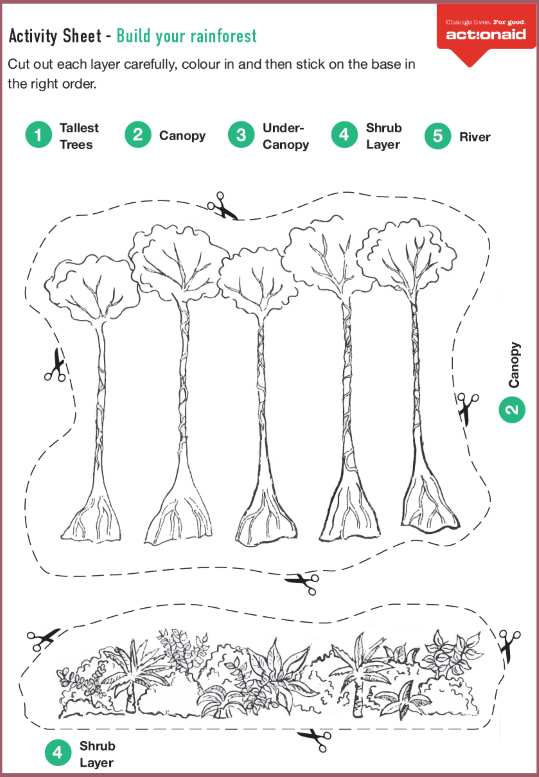
Action Aid has put together some fantastic free worksheets and printables like the one above so you can build your own rainforest.
For ages 5-7, they have a free welcome to Brazil quiz, animal quiz, build your own rainforest printables and teacher notes to download here.
For ages 7-11, they have Amazon rainforest facts, a deforestation fact sheet, writing exercises and teacher notes to download for free here.
Rainforest Facts
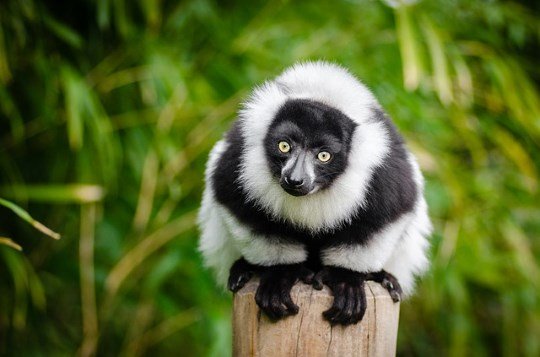
Here are 10 Top Facts. Did you know?
- Palm oil is the cheapest and most efficient vegetable oil to produce, which is why you'll find it in a staggering almost half of all consumer products you use.
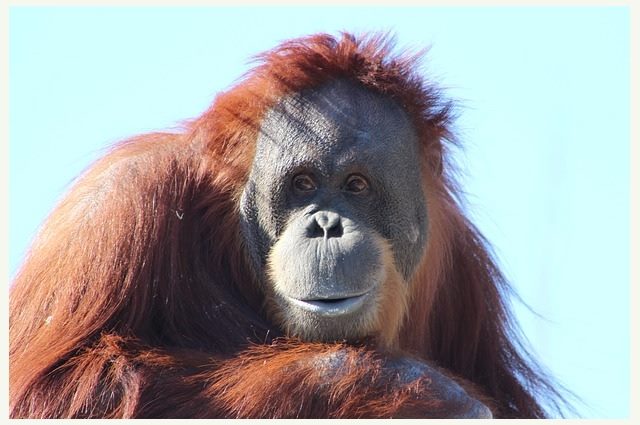
- 150,000 critically endangered Bornean orangutans were killed between 1999 and 2015, all lost to deforestation, which occurs in large part due to demand for palm oil.
- Rainforests only cover around 2 percent the total surface area of the Earth, but roughly 50 percent of our plants and animals live there.
- The Amazon Basin holds about a fifth of our fresh water.
- There are two types of rainforest, temperate and tropical.
- Nearly a quarter of the world's oxygen is produced in the Amazon rainforest.
- In some rainforests it rains more than one inch nearly every day of the year!
- More than three-quarters of the flowers in the forest are not found anywhere else in the world.
- 1 out of every 4 ingredients in our medicine is from rainforest plants.
- Every minute, about 2,000 trees are cut down.
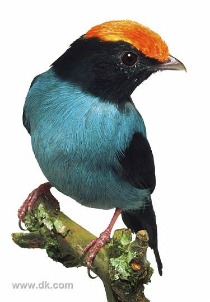
"For our Rainforest Unit we made some lovely paper snakes, origami frogs, a paper craft Macaw and we built a Lego rainforest too. We also found some fab things to watch on YouTube." ~ Teena
Visit A Virtual Rainforest
I quite like this rainforest trail cam - the grainy and slightly blurry images gives a feel of really being there and will get your child glued trying to spot the armadillo and tapir.
Rainforest Stories
It helps to bring things closer to home if you can hear from the children who live there.
Here are some stories from real children who live in the rainforest.
Rainforest Diorama
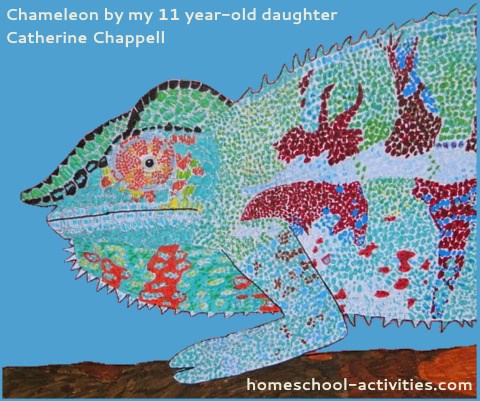
My daughter's chameleon would work brilliantly as a rainforest diorama based on our ocean diorama.
I saw this done using a circular slot in the back of the shoe box to make a howler monkey swing through the trees. It's the same idea we used to make a pterosaur fly in kindergarten activities
"We made a diorama and found a colorful sticker printout sheet with the names of the animals. (I didn't have any sticker paper so I just printed on copy paper, cut out and glued them on)." ~ Angie
Rainforest Alliance
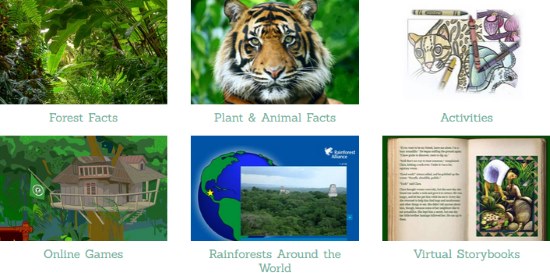
The Rainforest Alliance has facts, virtual storybooks and online games to play.
Kids Rainforest Crafts
Try out some of these wonderful ideas on Pinterest from making a rainforest biome in a jar to a tree sloth and a rainforest pinata.
Rainforest Activities: Carnivorous Plants
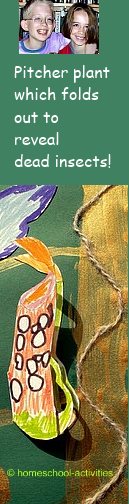
Wow! William loved the idea of plants setting traps for animals and Rainforest for Kids was the beginning of his fascination with carnivorous plants.
- Cut out an outline of a pitcher plant which you can fold in half. Stick the bottom half down on the paper so you can fold it open.
- Get your kids to draw the trapped insects inside!
As part of your activities to celebrate rainforests, why not buy your own pitcher plant? There is so much homeschool science to learn in the way plants attract their prey.
Maybe it's going a bit far to suggest that part of your homeschool activities might include leaving your cat food out for a few days to mimic one of the smelliest plants in the world - rafflesia!
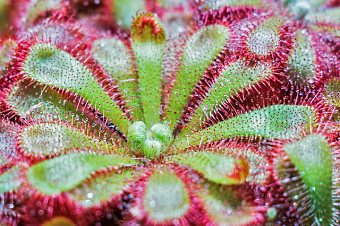
But I can easily show you how to make a terrarium for carnivorous plants like this sundew.
I'm sure your kids will love watching plants catch insects. Growing a plant which eats definitely appeals to kids!
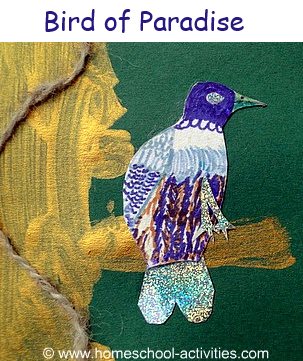
- Holographic paper makes some attempt to imitate the beauty of this male blue Bird of Paradise.
- You can make him display to a female by sticking him on a flap below a branch.
- If you draw him upside-down he bobs up and down!
If that sounds too complicated, Rainforest for Kids was the start of our love-affair with making things move on the page.
See how your rainforest comes alive once you start getting things opening and closing and making things slide along.
You can find out how to do it in this page on paper crafts for kindergarten.
Watch the pterosaur fly!
You can use just the same simple techniques we used to make our flying pterosaur and leaping ichthyosaur.
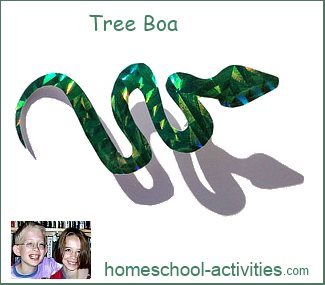
How about an emerald tree boa slithering along one of your branches?
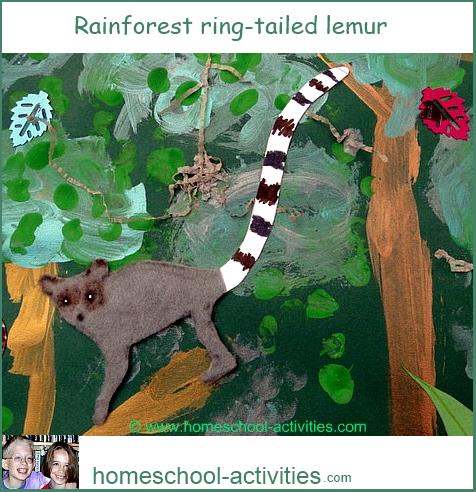
And our ring-tailed lemur comes from grey felt with a card tail.
Rainforest Activities
Listen to the sounds of the Rainforests.
Before your kids decide who else to add, you could wake their interest by listening to them!
There's a great site where you can make your own rainforest sounds:
"I came across this rainforest sound generator, you can set the dials for rain, insects, frogs etc.
I thought it would be fun for kids to make their
own unique rainforest sounds!" ~ Angie
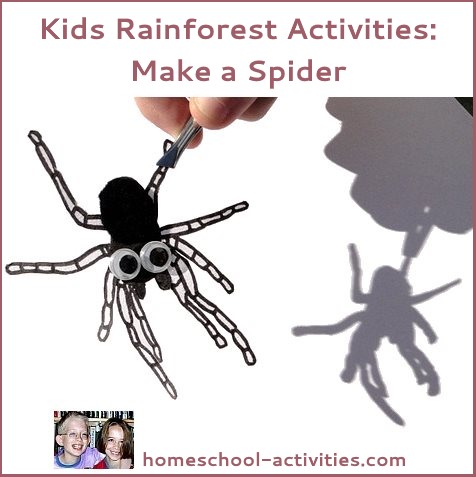
You couldn't let your kids miss out on the arachnids! There are more species here than anywhere else, with 850 species of tarantulas alone.
- Our Goliath spider is not only the world's biggest spider but the only one with eyes like that! A bit of artistic licence is allowed sometimes, and googly eyes are easy to buy and fun for the kids to stick on.
- The
rest of him is from black felt and card. Your kids will certainly
learn how many legs a spider has as part of homeschool science!
- For fun, you can add some cotton thread to represent the flying hairs he uses to shoot at attackers.
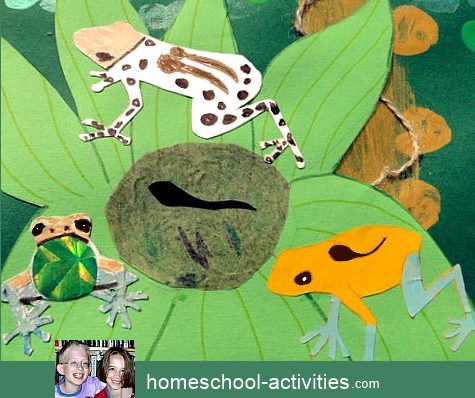
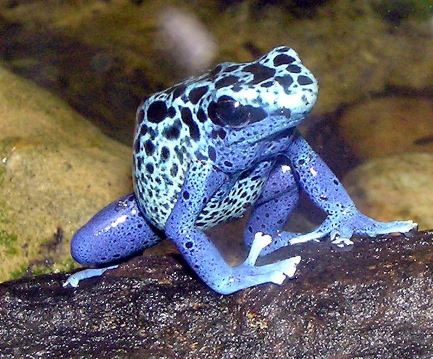
Poison frogs are fabulous.
-
Choose lovely bright cardstock and glossy paper.
- Iridescent paper works well to show off ballooning throat patches.
- My kids really enjoyed adding baby tadpoles to the mother's back and putting one inside a bromeliad pool.
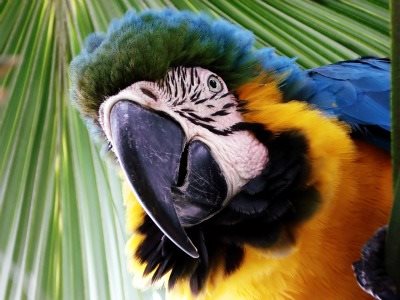
Make a Handprint Parrot
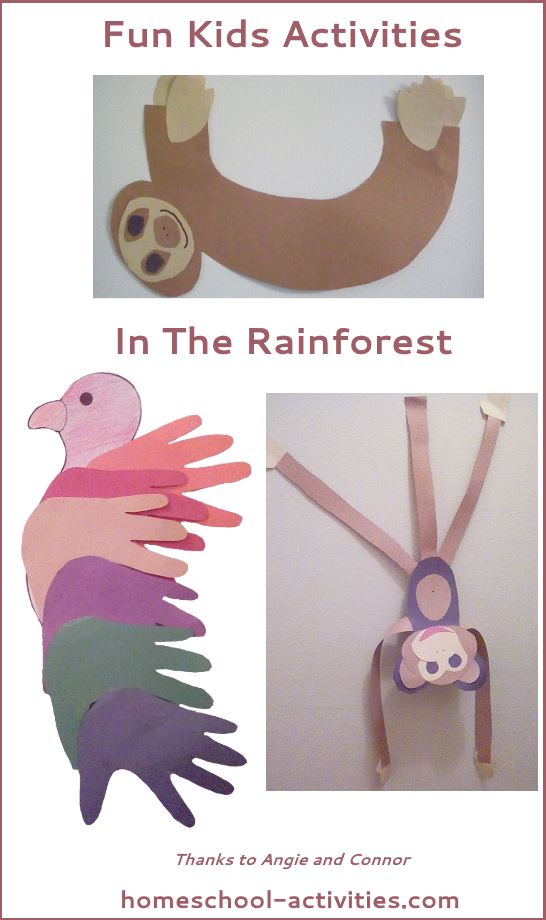
"We found an activity to make a bird using multi-colored cutouts of my son's hands as feathers.
That was my most favorite!" ~ Angie
Rainforest Activities for Kids: Make a Bromeliad
How about having even more fun with your Rainforest for Kids science activities by making your own bromeliad?
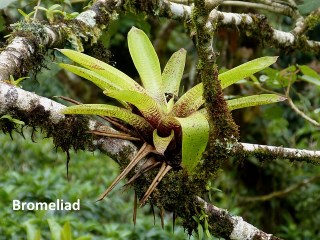
The Remarkable Rainforest by Toni Albert has this great homeschool science project:
-
Chop the top off a pineapple, leaving about 3 inches of fruit
attached to the leaves.
- Let the pineapple top dry for a day or two.
- Then remove the soft fruit, but leave the core attached to the leaves.
- Fill a container with soil.
- Plant the pineapple top with the core
in the soil and the leaves above the soil.
- Get your kids to water the
pineapple plant.
- Set the pineapple in a sunny place.
- Water when the soil gets dry.
- After your pineapple plant has grown some new green leaves in its
centre, put the plant outside during warm weather.
- Place the plant in
its container under some shrubs or trees and leave it for several weeks.
(Water when needed.)
- Check the pineapple plant every day to see if it is collecting water in the center of the plant or at the base of the leaves.
- Look out
for particles of dirt, leaves, pine needles, or flower petals. Are
there any insects or worms on the plant?
Rainforest Facts For Homeschool Science
Facts for homeschool science:
- Real bromeliads are part of
the pineapple family.
- Up to 250 different species of animal have been
found living inside bromeliad pools.
- Tank bromeliads can hold up to 10 gallons of water.
Don't forget the forest floor!
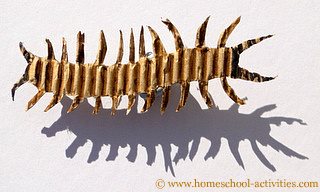
Millipedes are enormous. You could use corrugated card to show off the segmented body.
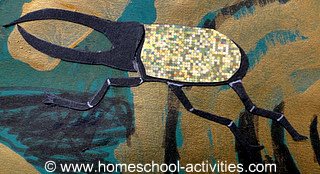
How about a rhinoceros beetle?
Bring the Rainforests Home
Part of the fun of Rainforest for Kids is to make it real. Why not go round the house and see what you can find that originally came from the forest?
-
Bananas - you could eat one too!
- Rubber
- Cloves, pepper, nutmeg, ginger...
Your homeschool science activities could include finding out what else
comes from there!
Save the Rainforests!
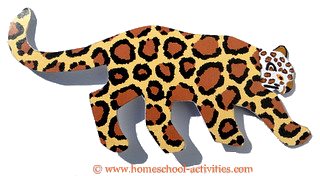
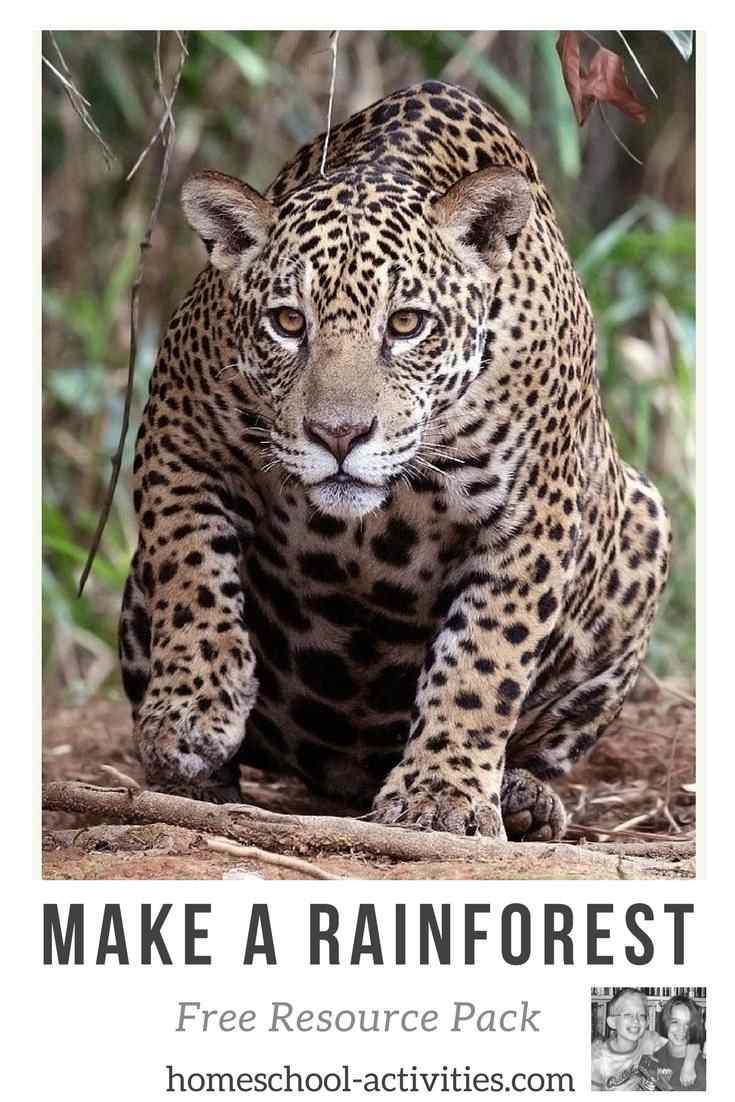
This jaguar isn't going to be the only one to suffer if we keep on chopping down the trees.
Field Trips
Part of your rainforest activities should really be visiting one.
- In the UK, The Eden Project has a fabulous tropical forest biosphere.
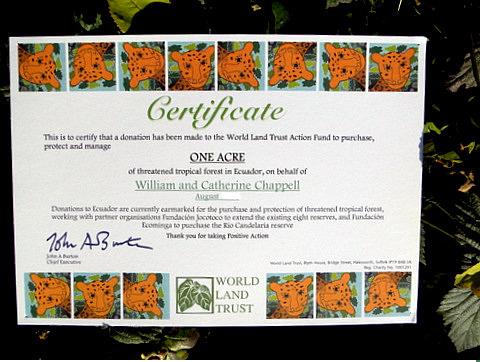
Once you've all begun to see how marvelous rainforests are, you'll probably want to help try and save them.
You could add writing activities to your homeschool science.
- Pretend you are an orangutang in the forest.
- Imagine what it would be like to have loggers come to cut down the trees to grow palm oil.
Rainforest Facts
By now you should have met spider monkeys, harpy eagles and tree sloths.
Rainforest for Kids is all part of the delight of homeschool science.
And by learning about the rainforest you'll be doing everything you can to get your kids interested so they want to help save them.
This is what one of my Facebook fans said after seeing this page:
"We are going to do this and then head to the Rain Forest Café." ~ Nancy
I can't think of a better way to round off homeschool science!
Where would you like to go now?
Here are some of my most popular homeschooling pages. Click on the pic to go to the page. And - enjoy!
"Just had a look through your monthly
newsletter focusing on math. Thanks so much for all the links and
ideas. It's brilliant!" ~ Diana
"Hi....I totally love all your posts and enjoy reading them....the kids love the activities and enjoy them through and through." ~ Bianka





Free Newsletter
Must-have Handbook
4 books in one: Bargain discount deal!

"With the education system failing so many brilliant
children it's great to be able to have resources like your website for
inspiration, ideas and just a sense of belonging. What you are doing for
your children is priceless." ~ Natalija
"I really appreciate your time and effort that goes into your posts... It's nice to see that you are a 2nd generation homeschooler." ~ Teresa
"Your newsletters & book have helped us through our journey. For that I can only thank you.
Please, please, please keep it up, people like you make our home school life so much easier." ~ Kelly
"I have joined paid sites that were not even one percent as great as
this site. Really amazing what you are doing and so so helpful thanks so much!" ~ Eli
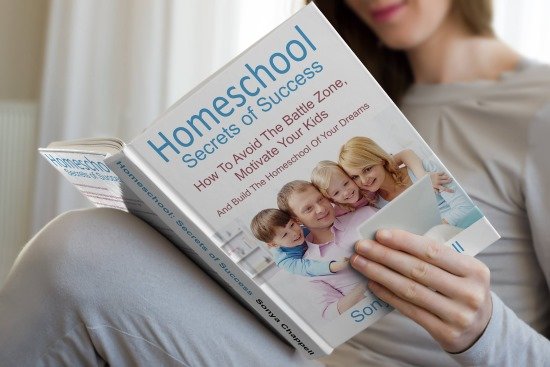


My highly recommended book Homeschool Secrets of Success.

© Copyright 2010-2025 Homeschool-Activities.com. Content by Sonya Chappell. All rights reserved.
N.B. Please note that some of the links on this site are affiliate links so if you buy you will pay exactly the same price as you would have done but I get a small percentage of the sale (which usually adds up to the cost of a cookie). If you would prefer not to support this site in that way, just go to Google and search for the product yourself.
Click to read my Privacy Policy, Terms and Conditions.