Homeschooling Socialization:
The Number One Myth
Worrying about homeschooling socialization with your child having no friends and ending up sad and lonely? Don't worry; school is often NOT the best place to learn social skills, and bullying can mean your child is scarred for life.
Read the comments from homeschooling families below to know your child is going to be fine.
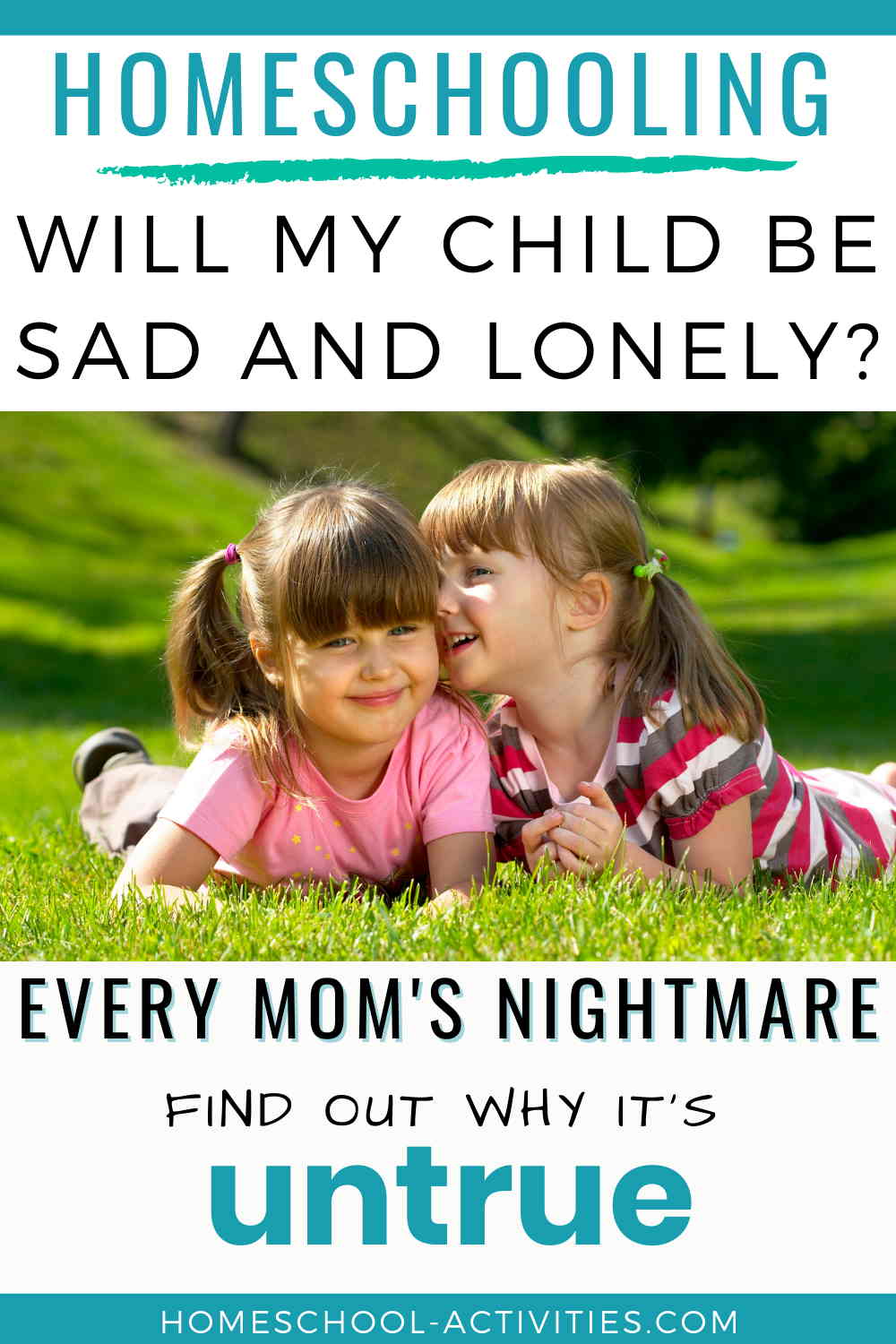
"My daughter has Asperger's, and the kids in her former school either bullied her or ignored her. The homeschool kids we've met, though, have welcomed her with open arms. She's far more social now than she ever was in a classroom full of kids."
~ Lisa, Courageous Homeschooling Facebook group
"Mine homeschool and they socialize perfectly with people of all ages."
~ Debra, Courageous Homeschooling Facebook group
Homeschooling socialization actually gives your child a much more positive way of learning the social skills they'll need as an adult.
Your own memories of school will be different.
But you'll recognize the common factor – peer pressure and the need to conform.
What I love about homeschooling and socialization is that it gives your child the chance to choose the friends they want.
Exactly like an adult does.
They have plenty of contact with their peers. But they aren’t obliged to co-exist with the same relatively small number of children day-in, day-out.
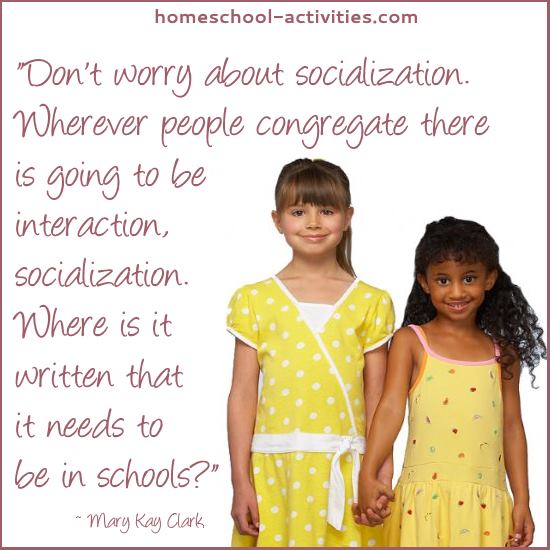
"I don't want my kids learning the wrong things from kids their age. I rather they learn the right things from us. My homeschool kids are always around other kids (at the park, co-ops, homeschool skate, etc.) and adults so they can socialize with any age instead of just one age group."
~ Samantha, Courageous Homeschooling Handbook
Homeschool also has many great advantages, because it gives your child much more time to get to know and spend time with the people who are closest to them – their relatives.
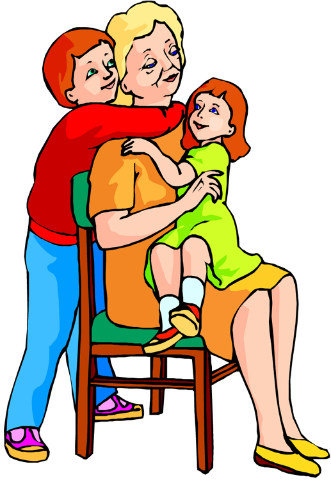
Instead of being out at school all day when the grand-parents come round, my children have been listening to what it was like being bombed in the War.
It would have been much harder to find those special times if they'd been out at school.
The ability to relate to people of all generations is something school children don't always get much opportunity to practise.
They also haven't that much time to help out feeding the neighbor's cat.
In fact, Dr Alan Thomas' research into homeschooling and socialization reveals that homeschool children tend to be exceptionally mature and much more confident in their dealings with adults.
You'll see clear cut information which backs his findings in our page on home schooling statistics.
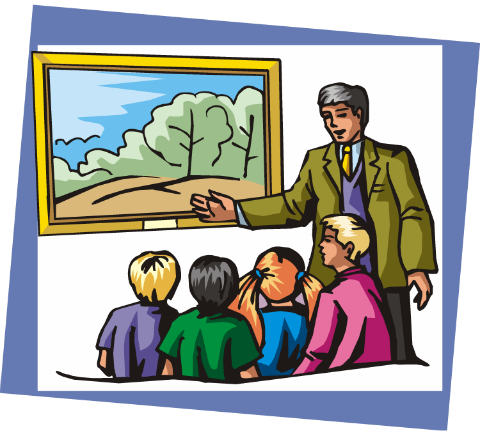
Part of the reason school often fails is linked to the relationship school children develop with the significant other adults they meet on a daily basis – teachers.
Teachers set out deliberately to make themselves stand apart from their pupils.
They use their authority to keep order and have very limited one-to-one time with individual pupils.
If you want an example of a rather different relationship, you should hear William and Catherine discussing with me when they want to do their Math or whose turn it is to do the dishes!
Homeschooling And Socialization
Finally, I want to say something which most homeschool parents would disagree with, never mind you.
We've proved that there are lots of homeschooling socialization opportunities available to you, and all the homeschool families I know make full use of them.
But I'm fed up with the success of my children’s entire homeschool life being judged by how many Birthday parties they've been to.
The pressure to have lots of friends ignores common sense. Some people are naturally more gregarious and others prefer to spend more time on their own.
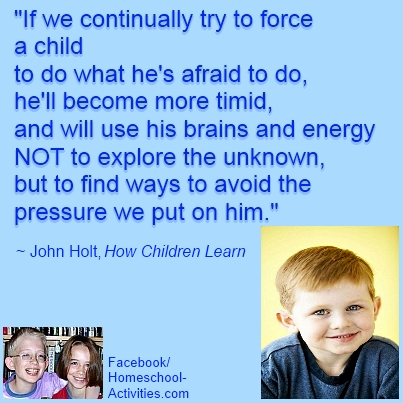
If you homeschool and your child is a bit shy, I wouldn't necessarily see that as a homeschooling socialization 'problem.'
I certainly wouldn't force your child to go to groups if they don't want to.
Not only is that potentially counter-productive, but also homeschool gives you the chance to practise the softly-softly approach so your child has time to develop the confidence they need, which is one of the benefits of a flexible homeschooling schedule.
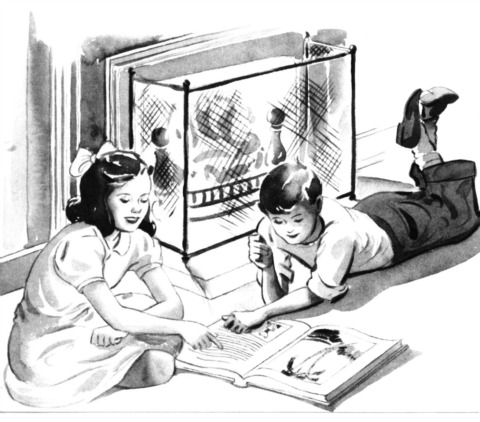
It's worth remembering that the homeschooling and socialization issue is very much a product of our time.
When I was a homeschool child some years ago, no one, including my Inspectors, would ever have thought of asking how many friends came round.
You'll find that back then 'socialization' wasn't considered anything that a parent need worry about.
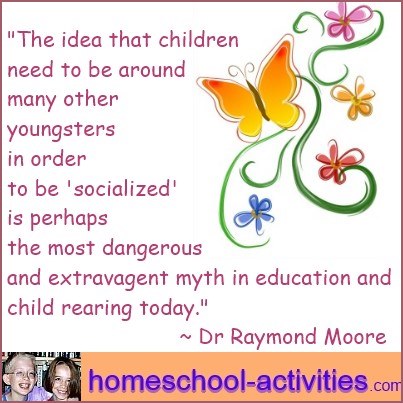
I understand the socialization concern, but I think it's grown out of all proportion and takes no account of basic human nature.
I simply don't see the number of friends you have as the litmus test of a happy, fulfilled, individual.
It could just be that your child, like many adults, prefers to have a few close friends.
That's normal too.
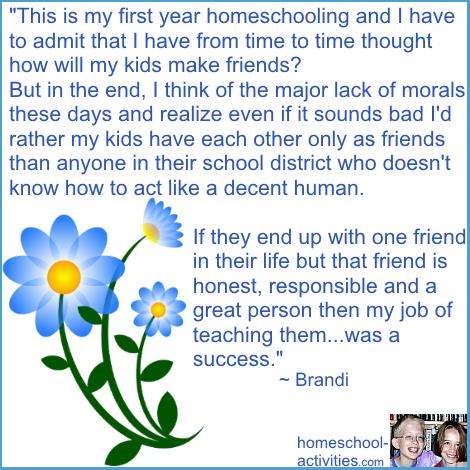
Homeschooling socialization has many positive benefits with the potential for real friends of all ages and the time for your children to gain the social confidence they need.
What Homeschoolers Say About Homeschooling Socialization
I know how tough all this is and how fears about homeschooling socialization make it the number one reason for giving you pause and making you think again about teaching your child at home.
So I asked the 2,000 members of my Courageous Homeschooling Facebook support group if I could quote from them their advice about what they do about making friends and give us all the reassurance we need.
I put their answers in our Courageous Homeschooling Handbook.
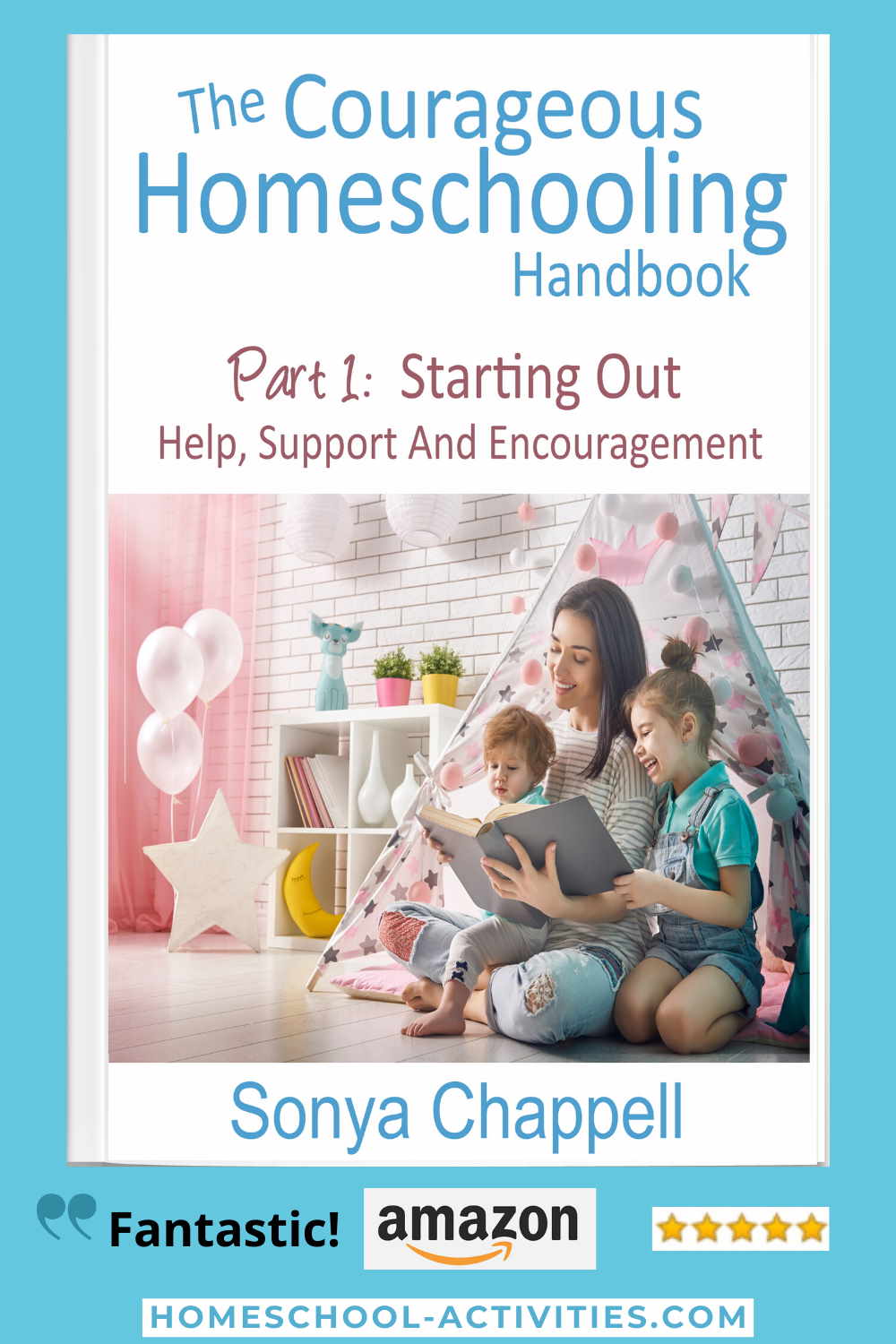
Here is just one of the questions that the Handbook answers:
"My five year-old son just told me that he wanted to go back to public school because he missed his friends. No way that is happening but it kind of made my heart cry a bit."
~ Mandy, The Courageous Homeschooling Handbook
There are many words of advice, so I will just add one of the many helpful comments from the Handbook:
"I may have worried about socialization before I fully understood homeschooling; probably because that's the fear everyone was always speaking to me about. My children make friends incredibly easily. When we go to the park, they instantly are friends with anyone who is there. They aren't afraid to speak to people of any age, which is incredibly beautiful. They make friends with everyone, young and old."
~ Ashley, The Courageous Homeschooling Handbook
The Handbook covers the fears we all face however long we've been homeschooling. It's such a relief to hear from other Moms that we all worry about the same things. Am I good enough? How am I going to cope with all the subjects? Will my child miss out by not going to school?
Find out more here.
Want to remember this? Pin this page on What About Friends? to your favorite Pinterest board!
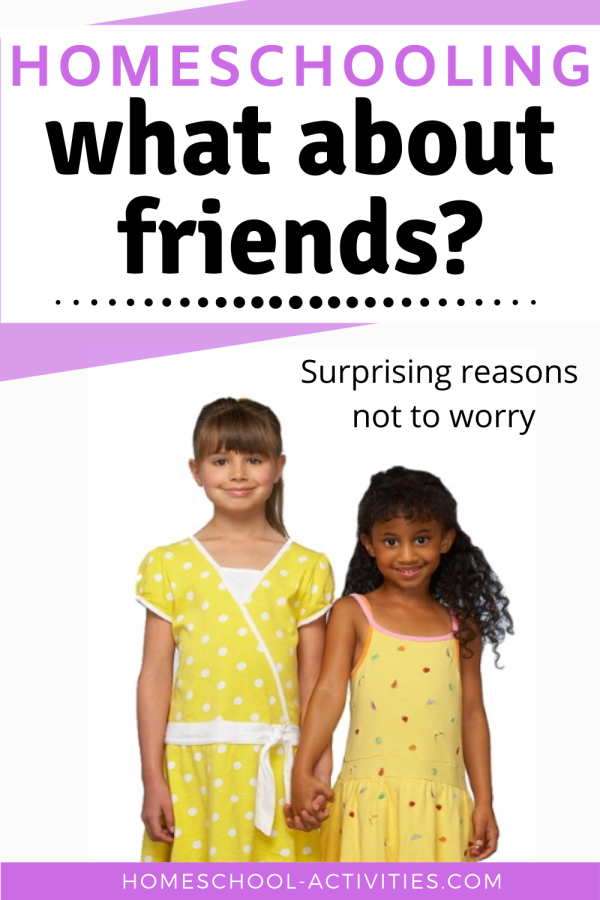
You can read more positive stories about the myths surrounding homeschooling socialization here.
- Home
- Pros And Cons
- Socialization


FREE Homeschool Newsletter
"Just had a look through your monthly
newsletter focusing on math. Thanks so much for all the links and
ideas. It's brilliant!" ~ Diana
"Hi....I totally love all your posts and enjoy reading them....the kids love the activities and enjoy them through and through." ~ Bianka




Free Newsletter
Homeschool Secrets of Success


"With the education system failing so many brilliant
children it's great to be able to have resources like your website for
inspiration, ideas and just a sense of belonging. What you are doing for
your children is priceless." ~ Natalija
"I really appreciate your time and effort that goes into your posts... It's nice to see that you are a 2nd generation homeschooler." ~ Teresa
"Your newsletters & book have helped us through our journey. For that I can only thank you.
Please, please, please keep it up, people like you make our home school life so much easier." ~ Kelly
"I have joined paid sites that were not even one percent as great as
this site. Really amazing what you are doing and so so helpful thanks so much!" ~ Eli
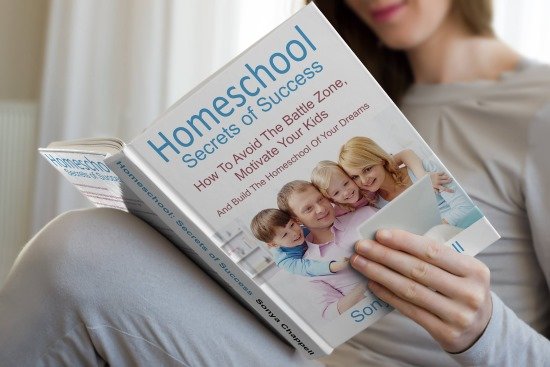


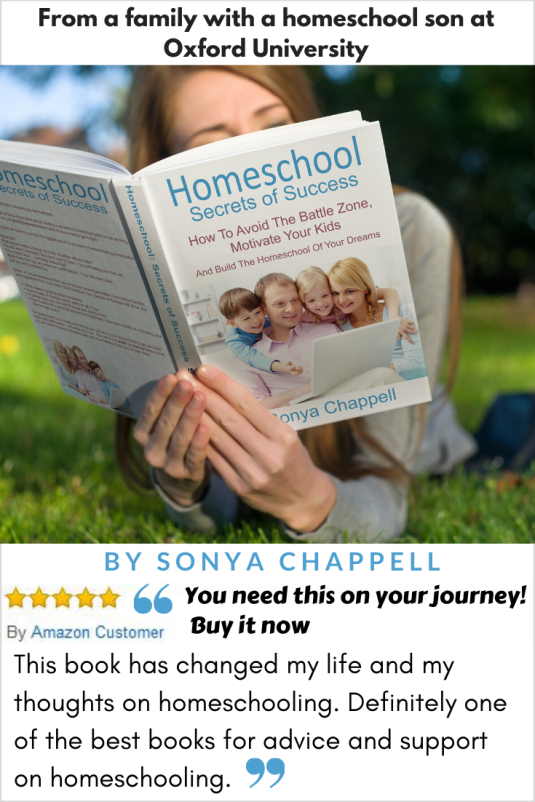
My highly recommended book Homeschool Secrets of Success.

© Copyright 2010-2024 Homeschool-Activities.com. Content by Sonya Chappell. All rights reserved.
N.B. Please note that some of the links on this site are affiliate links so if you buy you will pay exactly the same price as you would have done but I get a small percentage of the sale (which usually adds up to the cost of a cookie). If you would prefer not to support this site in that way, just go to Google and search for the product yourself.
Click to read my Privacy Policy, Terms and Conditions.